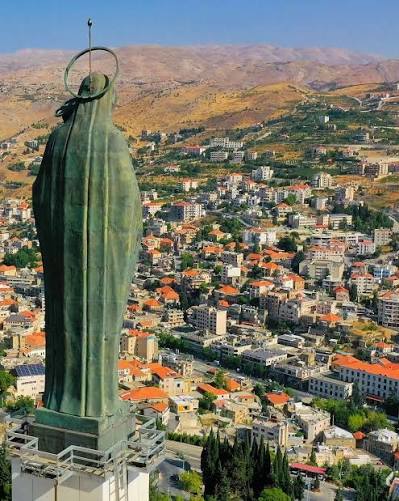
Our Lady of Zahlè and the Bekaa
Above the city, this Marian shrine and tower are among Zahlè’s best-known landmarks, with sweeping views across the city and the Bekaa Valley.
Bekaa Valley, Lebanon
The city of wine and poetry — and the home we carry with us.
Our roots
Nestled on the slopes above the Bekaa Valley, Zahlè grew around the Berdawni River. Its historic homes, churches and lively trading streets tell the story of a city built through family, faith and enterprise.
Known as the “City of Wine and Poetry”, Zahlè’s identity is woven through its writers, vineyards and generous tables. UNESCO recognised the city’s food heritage by welcoming it into its Creative Cities Network for gastronomy in 2013.
The story of our city
Zahlè grew from a small mountain settlement into one of Lebanon’s most important commercial, cultural and religious centres — through self-government, destruction and rebuilding, and a faith and culture that never faded.
Early 1700s
Modern Zahlè developed as a settlement in the early 18th century. Its position between Mount Lebanon, the Bekaa Valley and the trade routes towards Damascus helped it grow into a commercial centre.
1800s
Zahlè became an important trading centre under Ottoman rule. Merchants, farmers and craftspeople established its reputation for commerce, agriculture and hospitality.
1858
Zahlè experienced a short period of local self-government, often celebrated as the Republic of Zahlè. Local historical accounts describe it as having its own flag and anthem. It was not an internationally recognised independent country.
1860
During the sectarian conflict of 1860, Zahlè was attacked and much of the town was burned. Many inhabitants fled. The city was subsequently rebuilt, making this one of the defining events in its history.
Late 1800s
Zahlè recovered and continued developing its commercial life. The arrival of the railway in 1885 improved its connections to Beirut and Damascus.
1965–1968
The Marian monument was developed during the 1960s, with the statue inaugurated in 1968. It became one of the city’s best-known symbols of faith and identity.
2013
Zahlè joined UNESCO’s Creative Cities Network as a City of Gastronomy, recognising its culinary traditions and food culture.
Places that tell our story
Above the city, this Marian shrine and tower are among Zahlè’s best-known landmarks, with sweeping views across the city and the Bekaa Valley.
The river runs through Zahlè and is closely tied to its dining culture. Its riverside restaurants are known for Lebanese mezze and gatherings with family and friends.
A historic church in Zahlè, St. Elias is part of the city’s rich religious heritage and the churches that have shaped generations of community life.
Zahlè sits at the heart of Lebanon’s wine country. The surrounding Bekaa Valley’s vineyards and wineries carry a long tradition of winemaking, alongside the region’s celebrated arak.
Good to know
5,000years
The municipality describes archaeological remains, including ancient caves, pottery and burial sites, dating back thousands of years.
Zahlè Municipality
3times
The city records major destruction in 1777, 1791 and 1860, each followed by rebuilding.
Zahlè Municipality
40churches
The municipality historically records around 40 churches, four mosques and several monasteries in and around the city.
Zahlè Municipality
50writers
UNESCO credits Zahlè with approximately 50 poets and writers born there over a century — the origin of its famous nickname.
UNESCO
Registered-voter figures from 2014, a snapshot of the city’s electorate at that time.
Local residents are known as Zahlawis (زحلاويّة).
Historically a major Melkite Greek Catholic centre, which shaped its schools and churches.
The Our Lady of Zahlè monument’s tower is 54 metres tall, with a Virgin Mary statue about 9 metres tall.
The city’s harvest celebration, traditionally held in September, honours the grape harvest.
Zahlè sits on the slopes between Mount Lebanon and the Bekaa Valley, watered by the Berdawni River.
The railway reached Zahlè in 1885, strengthening its trade links with Beirut and Damascus.
For our community in Victoria, these places are more than landmarks. They connect us to our families, our stories and a shared sense of belonging — across generations and across oceans.